

Men Fashion
Sustainable Leather Jackets 2026: Ethical Fashion Meets Edge
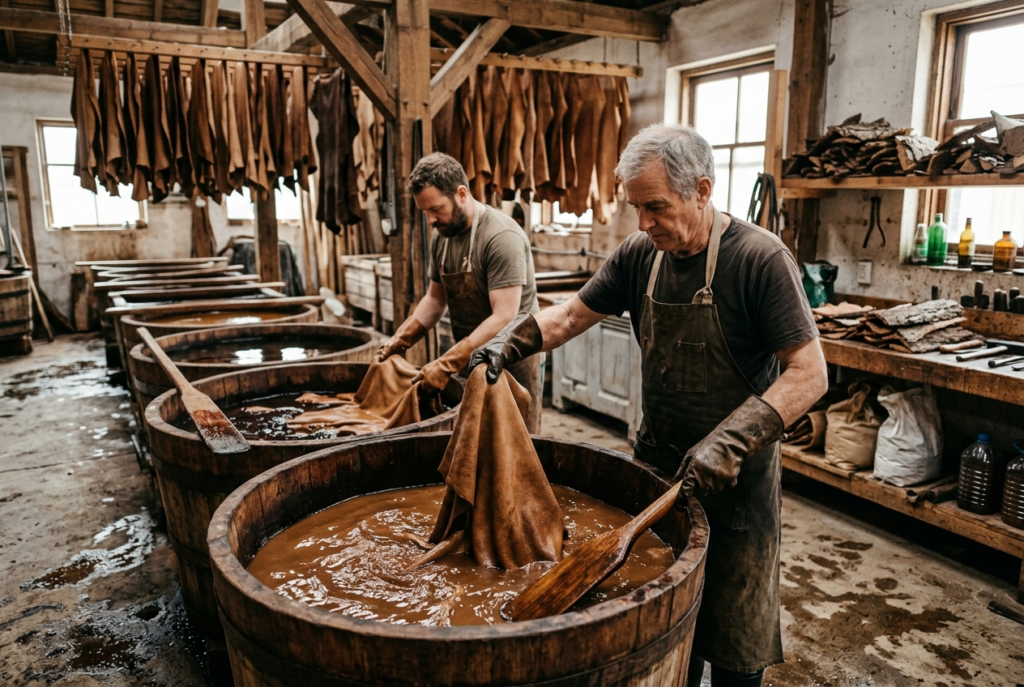
The Sustainable Fashion Revolution Reaches Leather
For years, ethical fashion and leather existed in an uneasy tension. But 2026 has fundamentally changed this narrative. Innovations in vegetable tanning, by-product utilization, and even plant-based leather alternatives have made sustainable leather jackets a genuine and increasingly mainstream option.
What Makes a Leather Jacket Sustainable?
Responsible sourcing: hides sourced as by-products of the food industry rather than primary purpose. Vegetable tanning: using plant-based tannins (bark, leaves, fruit) instead of chromium. Local production: reducing carbon footprint through shorter supply chains. Durability: a jacket that lasts 20+ years is inherently more sustainable than fast fashion.
Vegetable-Tanned Leather: The Gold Standard
Vegetable tanning is an ancient process — used for centuries before chemical tanning emerged in the 1800s. It produces leather that is firm, develops a beautiful patina, and is biodegradable. The process takes 30-60 days versus 1-2 days for chrome tanning, reflecting in both quality and price.
TheJacketCraft’s Sustainability Commitments
At TheJacketCraft, our sustainable collection is built on four pillars: by-product leather sourcing, vegetable and plant-based tanning, carbon-offset shipping, and biodegradable packaging. We’re transparent about our supply chain because we believe you deserve to know where your jacket comes from.
Plant-Based & Alternative Leathers in 2026
Cactus leather (Desserto), mushroom leather (Mylo), and pineapple leather (Pinatex) have graduated from concept to commercial reality in 2026. While these alternatives don’t yet fully replicate the durability and texture of traditional leather, they’ve become compelling options for those seeking genuinely animal-free products.
The Longevity Argument
The most sustainable jacket is the one you wear for 20 years. A well-made leather jacket — properly cared for — can outlast dozens of fast fashion alternatives. When you invest in quality, you’re making a fundamentally sustainable choice, regardless of material.
Certifications to Look For
LWG (Leather Working Group): Gold/Silver certification indicates responsible environmental practices. GOTS (Global Organic Textile Standard): for organic fiber linings. B Corporation: indicates overall business sustainability standards.
Q: Is leather sustainable fashion?
A: When sourced responsibly as a food industry by-product and tanned using plant-based methods, leather can be considered a responsible choice. The key is transparency about sourcing and production methods.
Q: What is the most eco-friendly leather alternative?
A: Currently, Pinatex (pineapple leaf fiber) and Mylo (mushroom mycelium) are considered the most promising — both use agricultural waste or rapidly renewable resources.